For the first time in the college football playoff era, a team from the top 6 of the preseason AP poll will not win the national title. Not only will a team from this category not hoist the trophy, they won’t even make the semi finals.
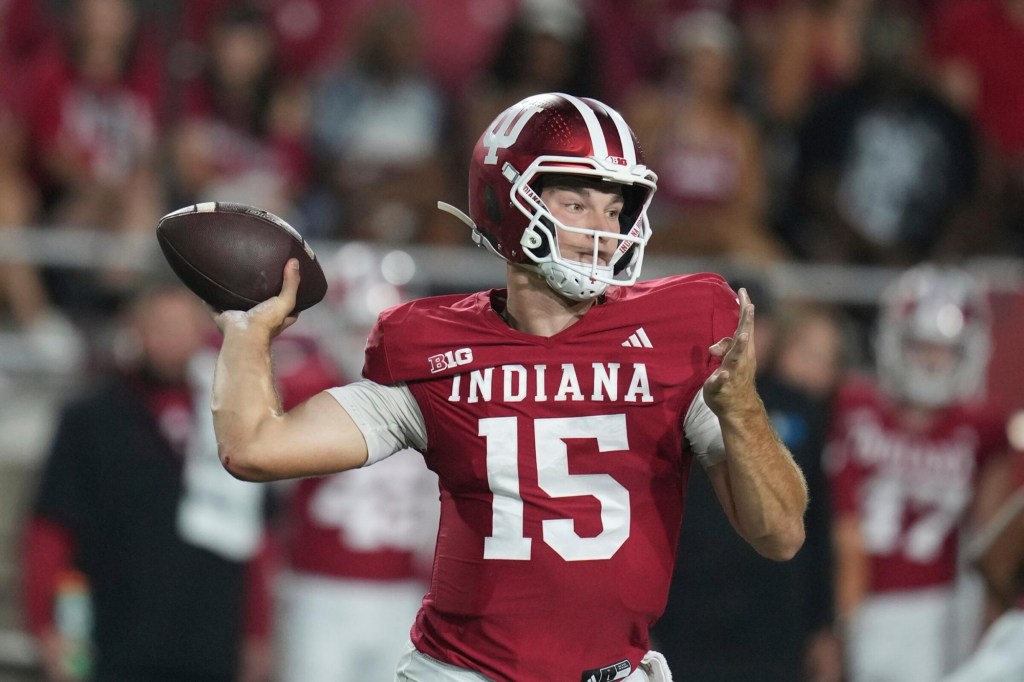
Two teams who met the preseason top 6 criteria survived to the quarterfinals in Ohio State and Georgia. Both teams were eliminated as favorites against Miami and Mississippi respectively.
The remaining four teams started the season ranked as follows:
7. Oregon
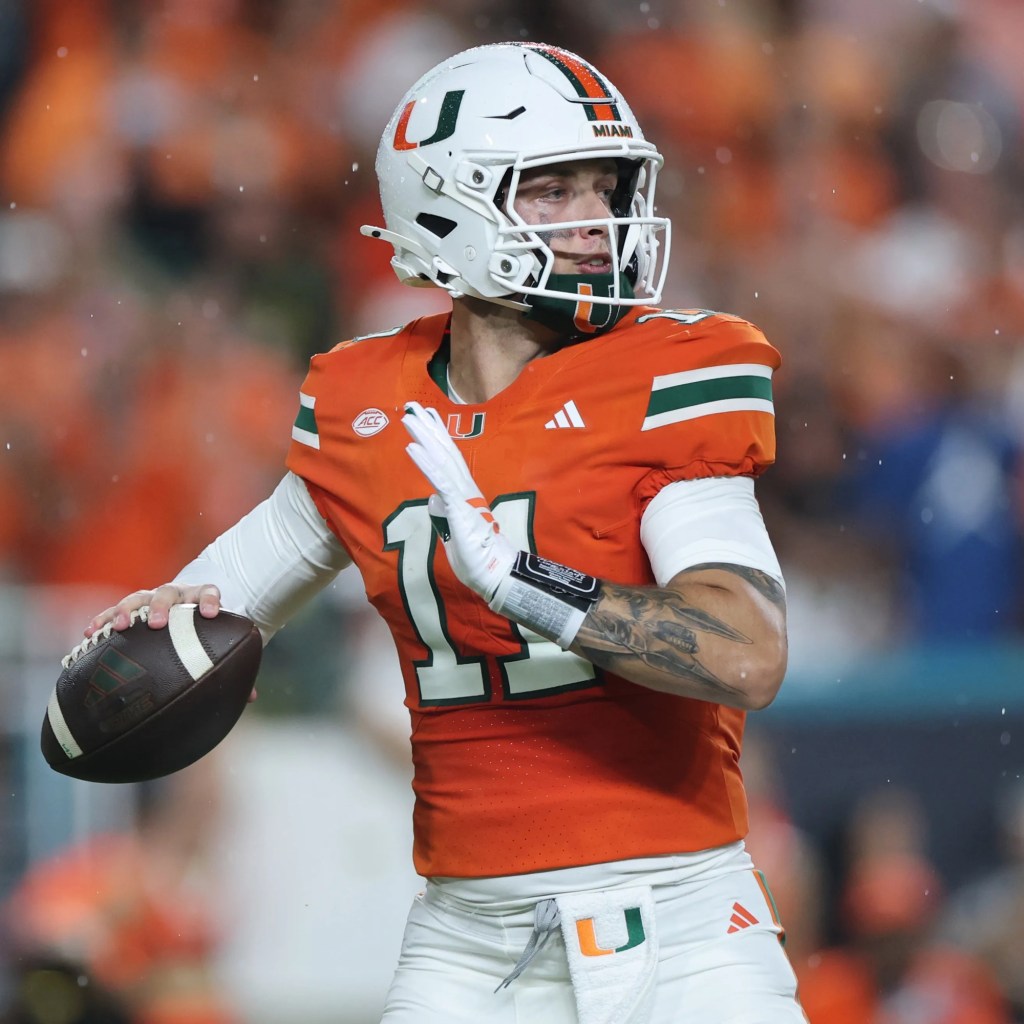
10. Miami
20. Indiana
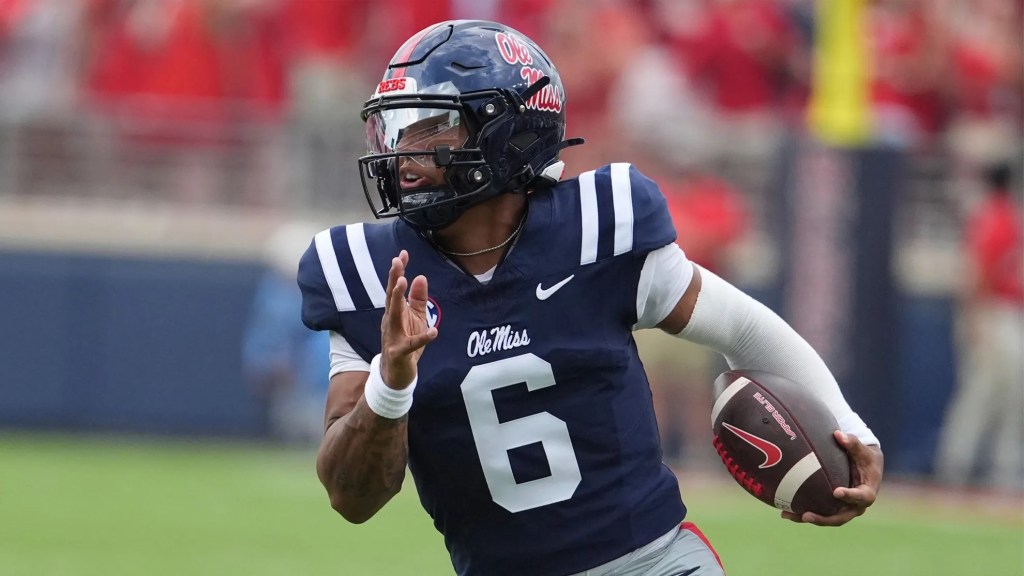
21. Mississippi
Oregon began the year on the fringe of the category but was ultimately overshadowed, sharing a conference with the defending national champions. Expectations were high in Eugene per usual, though most voters had them written off from being legitimate contenders. Their window is wide open, getting a shot to avenge their only loss of the season; a home defeat to the nation’s top ranked Hoosiers.
The college football playoff began in 2014, and 10 of the 11 national champions have actually started the season ranked in the top 5, the only team to start the year at 6 and win the title was the 2019 LSU Tigers.
The point of this analysis is to pose a question; has the new freedom the transfer portal provides, introduced a new level of parity in college football? My short answer is yes.
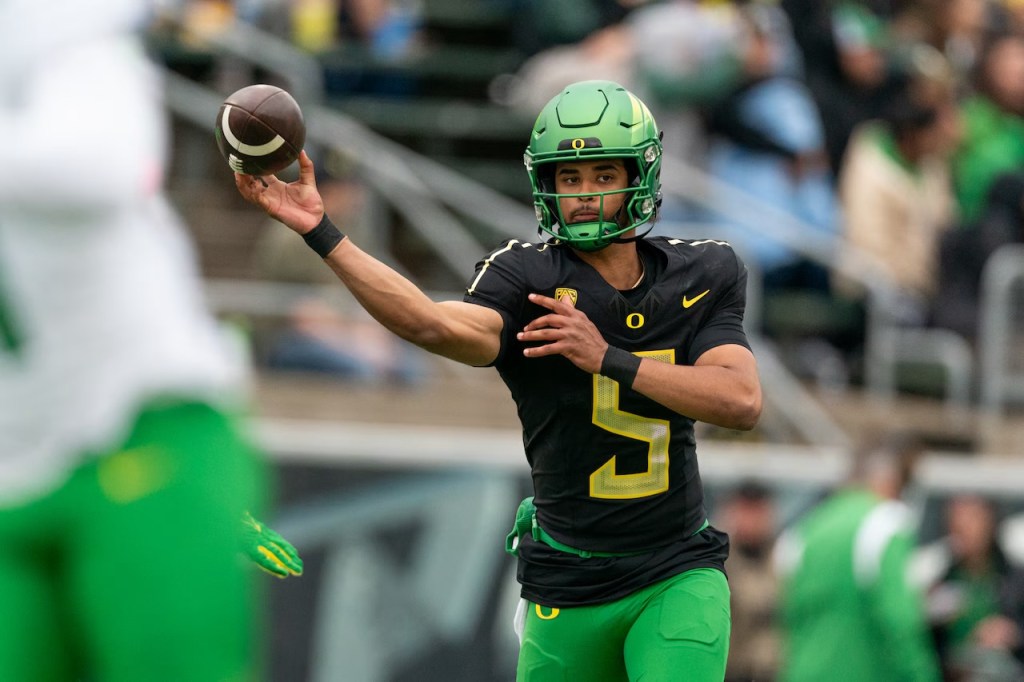
Naturally the lawlessness of the portal will benefit the power 4 more than any other group of schools. Big budgeted athletic programs and football-starved boosters feel they have the immediate potential to capture a title. Of the four teams remaining in the college football playoff, three of them have a starting quarterback who is in his very first season with the team. Indiana’s Fernando Mendoza transferred from Cal, Carson Beck is with Miami after leaving the SEC powerhouse Georgia, and Trinidad Chambliss at Mississippi is fresh off of a Division II national title with Ferris State. Oregon is no exception to the portal passer, as Dante Moore transferred from UCLA to sit behind Dillon Gabriel for just one year until he became the starter this season.
Plenty of other position groups are sculpted into championship caliber through the transfer portal, but a lot of teams feel that if they can put the right price tag on a quarterback, they can win a title that year.
Interestingly enough, among the teams to start the season in the AP top 6 in 2025, none of their starting quarterbacks were ever transfers. That’s Arch Manning, Julian Sayin, Drew Allar, Cade Klubnik, Gunner Stockton and CJ Carr. There were a lot of expectations this season for all of these players. Between the six of them, it was thought that the Heisman trophy would end up belonging to one of these players. Instead, Fernando Mendoza took home the award and took his team to the top of the college football world in just one season in Bloomington.
Ultimately if it wasn’t already, college football at the highest level is a version of professional football in its infancy. Sooner or later, the financial details will be regulated. Agents will have to be certified and salary caps will be introduced. In pro football, though it seems dynasties pop up every decade, there are still more than a handful of teams who have a legitimate shot to win a championship in any given year.
Among the complaints about the transfer portal and the new landscape of college football I’d like to plant this seed of positivity about parity at the forefront of the conversation. As a fan of the game on the gridiron itself, there has never been a better time to be a neutral viewer. In 2025 and beyond in college football, a title is possible for more teams than ever before.
 College Town Touch down
Leave a comment